Master Key Systems
Managing who can go where inside a busy office building on Post Avenue or a multi-unit retail strip in Westbury, NY shouldn't require a drawer full of keys or constant trips to the front desk. A properly engineered tiered access structure lets your business run on one cohesive keying plan — department managers carry keys that open their floor, senior staff carry keys that open multiple floors, and the property owner or facilities director holds a single master that opens every door in the building. Westbury Locksmiths designs and installs these systems for commercial properties across Nassau County, arriving fully equipped as a mobile locksmith team so there's no need to pull hardware off the door and ship it anywhere.
Open 24 hours, 7 days a week · Licensed, bonded & insured
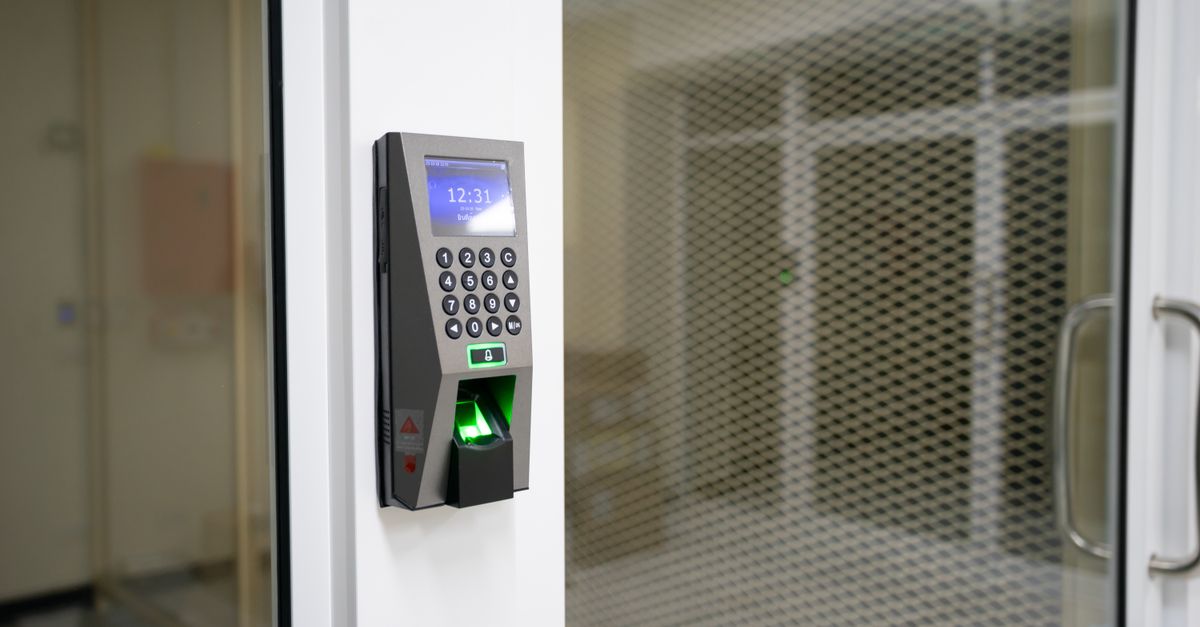
What makes access planning genuinely useful — rather than just a set of shiny cylinders — is the logic built into the key hierarchy before a single lock is drilled. Our trained and insured technicians spend time understanding your floor plan, your staff structure, and the specific doors that need to stay restricted: server rooms, stock rooms, executive suites, cash offices. Every system we build is tailored to your actual operation, not copied from a template. Whether you manage a dental group off Old Country Road, a distribution facility near the Westbury LIRR station, or a retail block on Union Avenue, the same disciplined approach applies. For a same-day consultation or urgent rekeying, call (516) 400-4528 — we answer 24/7.
What we do
Available 24/7
Day, night, weekends and holidays — a real local locksmith answers and rolls a fully-stocked van.
Fast local response
Based in Westbury, we reach the Westbury area in well under an hour.
Insured & background-checked
Vetted technicians, up-front pricing, and no surprise add-ons when we arrive.
Damage-free entry
We pick and bypass locks the right way, so most lockouts are solved without drilling anything.
More about our work
Everything you need to know about how we help — at a glance.
How Master Key Systems Are Structured for Offices and Retail
A tiered keying plan works by dividing your building into access zones — called key groups — and then layering them so higher-level keys open progressively more zones. At the base level, a change key (sometimes called a servant key) opens only one specific door or one zone. A sub-master key opens all doors within a department. A master key opens all departments on a floor or wing. A grand master key opens everything in the building. Some larger campuses — a corporate park near Merchants Concourse, for example — add a great-grand-master layer for portfolio-wide access. Each step up the hierarchy is a deliberate design decision, not an afterthought, and our commercial locksmith team maps this out with you before any hardware is touched.
For retail environments, the hierarchy usually looks different than it does for offices. A boutique in the Mid-Island Plaza area might need stock-room-only keys for floor associates, a manager key that also opens the safe room, and an owner key that additionally opens exterior roll-up gates. A medical or dental office off Ellison Avenue might layer reception, clinical rooms, pharmacy cabinets, and administrative storage as four distinct zones. The point is that the architecture fits the business — and when staff turn over, a targeted rekey or cylinder swap updates access without touching the rest of the system.
Mortise Lock Installation: The Mechanical Backbone of Tiered Access
A mortise lock is the preferred cylinder platform for any serious commercial access plan, and for good reason. Unlike a cylindrical bored lock that mounts in a single hole through the door, a mortise lock body is recessed into a pocket cut into the door's edge. That recessed housing accommodates a more complex internal mechanism — separate latch, deadbolt, and cylinder functions housed together — which gives system designers the flexibility to build in the precise keyway families that a multi-level hierarchy requires. Our technicians install, service, and rekey mortise lock hardware from manufacturers including Schlage and other commercial-grade brands, fitting cylinders and cam profiles that correspond exactly to your key plan.
The mortise lock also matters for durability. High-traffic commercial doors — a lobby entrance, a loading dock, a stairwell — cycle thousands of times a year. The mortise format distributes stress across the full door edge rather than concentrating it at a bored hole, meaning the lock body holds up far longer under daily abuse. When we assess a Westbury retail or office property, one of the first things our commercial locksmith team checks is whether existing hardware can accept the cylinder changes a new key system requires, or whether a mortise lock upgrade is the smarter long-term move. We walk you through the trade-offs and confirm an exact up-front price before any work begins — no surprises on the invoice.
Emergency Locksmith Response and Access Control Gaps — What Happens When the System Breaks Down
Even the best-planned key hierarchy creates an emergency locksmith moment eventually. A manager loses their sub-master, a cylinder malfunctions after a power fluctuation in a smart-lock hybrid system, or a terminated employee's key is unaccounted for — all of these require an immediate, controlled response rather than waiting until Monday morning. As a 24/7 mobile service, we reach most Westbury locations within approximately 20 minutes of your call. Our technicians carry cylinder blanks, key blanks, and common commercial hardware on the vehicle, so the majority of rekeying and lock service calls are resolved in a single visit without ordering parts.
When an access gap like a missing sub-master is reported, the goal is surgical: rekey only the cylinders that key touched, issue replacement keys to affected staff, and log the change in your system's key control record. We do not need to replace every lock in the building. This targeted approach is exactly why a well-documented key system — one where every key issued is recorded against a name and a date — is worth the setup investment. If you're experiencing an access emergency right now at your Westbury office or retail location, call (516) 400-4528 and our team will be on the way.
Designing for Growth: Expanding a Tiered System as Your Business Scales
One of the most common mistakes business owners make is building a key system for the building they have today, not the building they'll occupy in two years. A nail salon that rents one suite eventually expands into the adjacent space. A staffing firm on Old Country Road that starts with eight employees grows to forty. When the original cylinder keyway family is too small to accommodate new zones, the whole system has to be rebuilt from scratch — an expensive and disruptive process. Our approach is to size the keyway family and the key control matrix at the start so that new zones, new sub-masters, and new change keys can be added without replacing hardware that's already installed and working.
We also address the door knob lock versus mortise lock decision at the planning stage. Interior office doors with lower security requirements — a break room, a supply closet — may be fine with a quality cylindrical door knob lock keyed into the same system. High-value or high-traffic doors warrant the mortise lock format. Getting this mix right from the beginning keeps costs proportionate and prevents over-engineering low-risk doors while under-protecting critical ones. Our mobile commercial locksmith team will walk through your space, photograph the door hardware, and return a written key system proposal that reflects the actual layout — not a one-size-fits-all package.
Frequently asked questions
What is a locksmith call out fee?
A call out fee — sometimes called a service call or dispatch fee — covers the cost of sending a technician to your location. For a mobile locksmith serving Westbury and surrounding Nassau County areas, this reflects travel time, fuel, and the technician's time from dispatch to arrival. The factors that influence the fee include distance from our base, time of day (overnight or holiday calls carry different rates than standard business hours), and the urgency of the request. At Westbury Locksmiths, we confirm your exact all-in price before any work starts, so the call out component is never a hidden surprise added to the final bill.
How much should a locksmith cost per hour?
Locksmith pricing is typically structured as a service call plus a per-job or per-lock rate rather than a strict hourly billing model, though some complex commercial projects — like designing and installing a full master key system across multiple floors — are scoped by time and materials. The factors that move the final number include the type and brand of hardware involved (a basic door knob lock rekey costs less than a multi-cylinder mortise lock installation), the number of locks in scope, the time of day, and whether specialty parts need to be sourced. We provide a firm, written quote before work begins so you know the full cost regardless of how the job is structured internally.
What locks can locksmiths not open?
A trained locksmith can open the vast majority of residential and commercial locks through legitimate, non-destructive methods — including most pin tumbler cylinders, mortise lock formats, and tubular locks. The locks that present genuine difficulty are ultra-high-security cylinders with hardened anti-pick pins, spool drivers, and sidebar mechanisms (such as certain restricted keyway systems used in government facilities), as well as electronic access control locks that require manufacturer-specific override codes or proprietary software. In practice, the locks a reputable locksmith will decline to open non-destructively are those where destructive entry is the only option, and in those cases we will always confirm proof of ownership or authorization before proceeding with any forced method.
Can a locksmith reprogram my key fob?
Key fob reprogramming depends on the vehicle make and the type of fob involved. Many key fobs for domestic and import vehicles can be reprogrammed by a qualified automotive locksmith using professional-grade diagnostic equipment — this covers cloning a transponder chip, programming a new fob to the vehicle's immobilizer, or re-syncing a fob that has lost its pairing. Some newer vehicles with rolling-code or encrypted PEPS (Passive Entry Passive Start) systems require dealer-level access to the vehicle's ECU and cannot be reprogrammed in the field without that connection. When you call (516) 400-4528, give our team your year, make, and model and we'll tell you upfront what's possible on-site.
How much is a locksmith if I'm locked out of my house?
A residential lockout call involves several cost factors: the type of lock on the door (a standard door knob lock is simpler to address than a mortise lock with a multi-point mechanism), the time of day (a 2 a.m. call in Westbury carries different rates than a midday call), and travel distance. If the lock needs to be replaced rather than picked or shimmed open, the cost of the new hardware is added to the service charge. We always confirm your exact price before we start — so when our technician arrives at your Westbury home, you'll know the full number before we touch the door.
What do I do if I have locked myself out of my house?
First, check the obvious before calling anyone: try all other exterior doors and windows you could safely and legitimately access, check with a trusted neighbor who may hold a spare key, or contact a family member who has access. Do not attempt to force a lock or remove a door panel — this risks damaging the door frame or the lock hardware and can make a simple lockout into an expensive repair. If none of those options work, call a professional emergency locksmith. Our mobile team reaches most Westbury addresses in approximately 20 minutes, works damage-free wherever the lock type allows, and will verify your identity and address before beginning — so the process is safe, controlled, and fast. Call (516) 400-4528 any time, day or night.